

And The Best Lesson Goes To...
one thing education can learn from each of the Best Picture nominees - Pt. 1

I watch a lot of movies. Like, a lot.
Since my time as a film studies major in college, I’ve made it a point to see every Best Picture nominee each year (except Green Book. I’ll never watch Green Book). Last week, I wrote about applying my useless sports knowledge to education. Well, I do the same thing with movies.
Here’s one thing education can learn from five Oscar nominees for best picture. Next week I’ll write about the other five nominees.1
Teachers are Artists
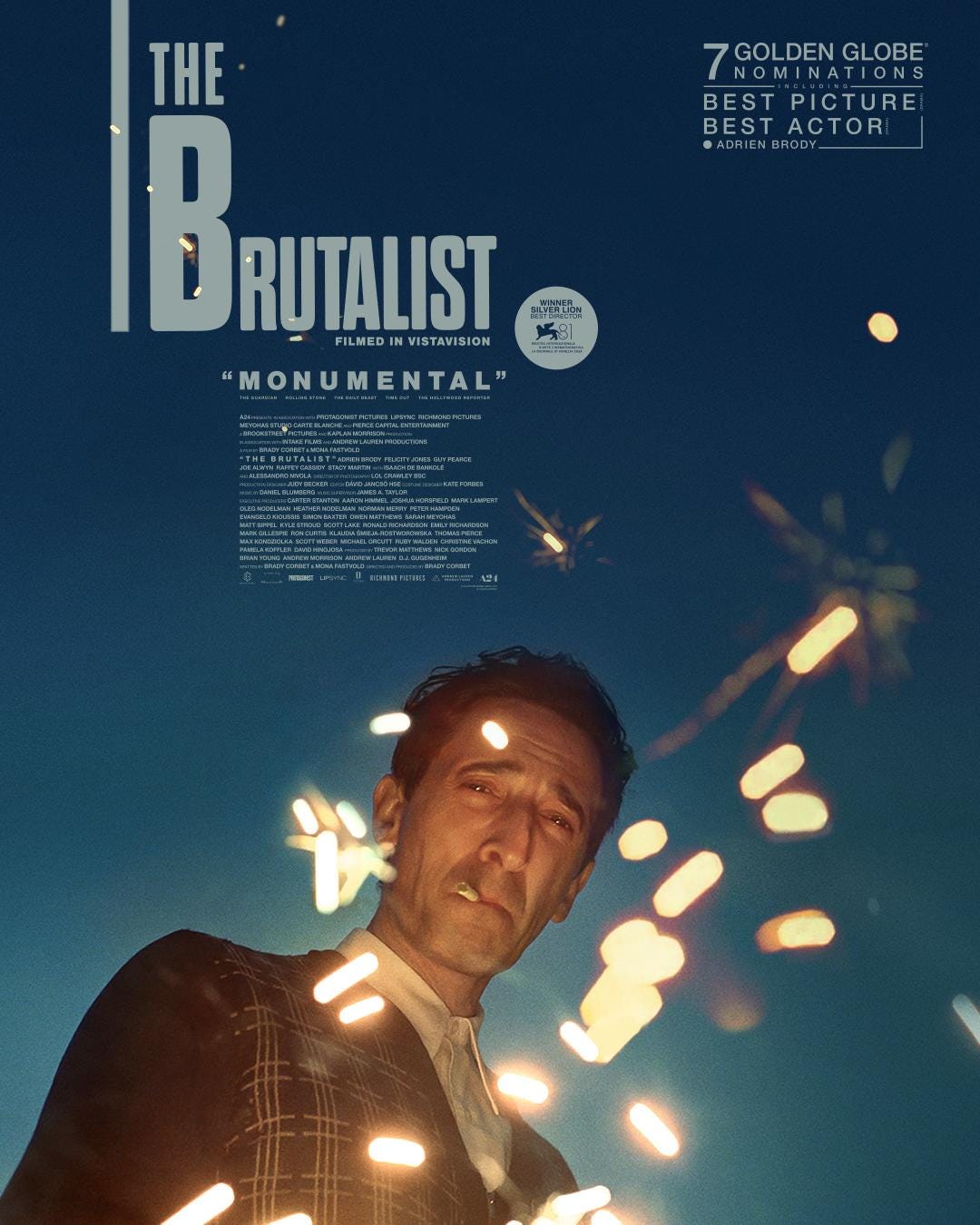
This was the best “experience” I had in a theater this year. This was filmed in VistaVision (the first film to do so since the 60’s), looks great in IMAX, has an actual intermission (this should be a requirement for all films longer than 2.5 hours), and felt like one of the New Hollywood epics from the 70s. It’s the story of an immigrant architect navigating a fraught relationship with his wealthy American patron in order to bring a passion project to life.
We know education is a science—see the biggest education story in the news right now. But anyone who’s worked in a school knows that teaching is as much an art as it is a science. Every student, every lesson, and every interaction is a unique canvas teachers have to paint with. Adrien Brody’s Brutalist character is constantly faced with the frustration of short-term compromise in order to see his broader mission completed in the long-term.
As a passionate public school advocate, I see standardized testing as one example of a short-term concession (find me a teacher that doesn’t consider EOGs “Brutal” 😉) that helps society achieve the larger social mission of a democratic public education in the long-term. Schools need consistent, standardized assessments to enact data-informed decisions, but teachers must also be given the autonomy and trust to act as artists who adapt to the learners they serve.
What We Carry
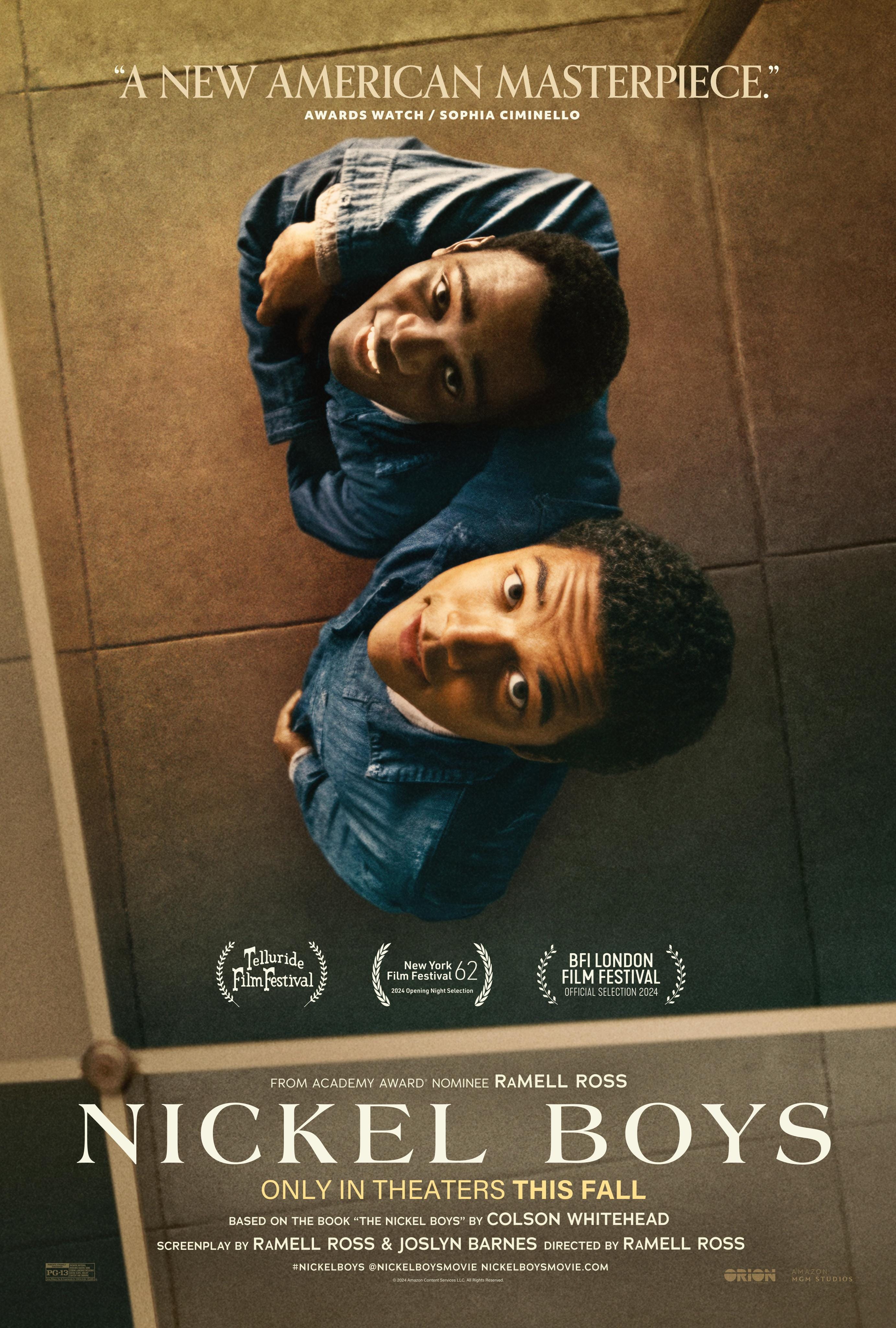
I almost can’t write about this one. Remembering the feeling of seeing this film makes me emotional in a way that feels…spiritual. This wasn’t a movie to me, it was 2 hours and 20 minutes of a feeling. And like all powerful emotions, words are inadequate. At its core, Nickel Boys is an exploration of trauma. The scene of the year imho is a static shot in a bar later in the film when two men are reacquainted after years apart. We can only see one of their faces but there’s powerful communication in what they don’t say, in what’s in their bodies, in what’s lingering from their childhood.
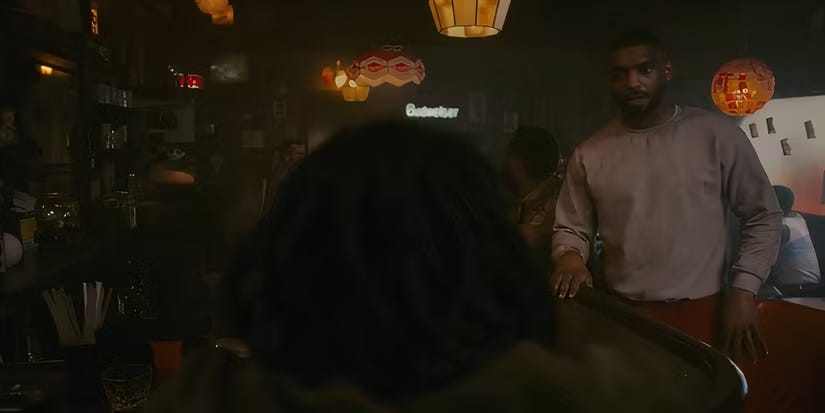
The weight of unspoken trauma in that bar scene is a reminder that in classrooms, much of what students carry remains unseen. Just as that moment in Nickel Boys is shaped by years of silent pain and resilience, students bring experiences that impact how they learn, interact, and respond. Trauma-informed teaching requires us to recognize these invisible burdens and create spaces of safety and understanding. Our job is to first recognize this, then work to be compassionate, culturally competent connectors (accidental alliteration there but I guess now I gotta put it on a t-shirt).
Listen First
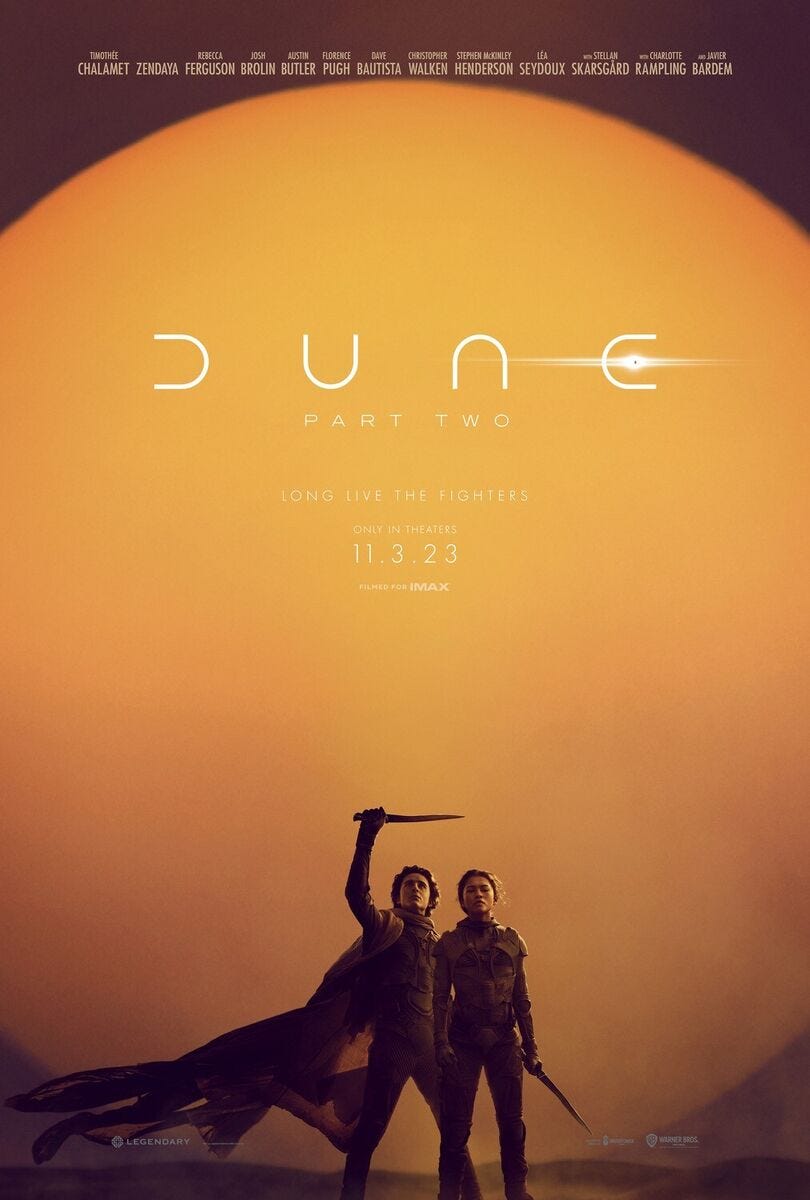
Besides the funniest movie snack souvenir of all time, Dune 2 gave us a second best picture nominee starring Timmy C. In this one, he’s Paul Atreides - a reluctant leader who immerses himself in Fremen society by learning their culture. It’s not until he learns their history, language, and people that he can earn their trust enough to fight alongside them. Like Paul, teachers build trust by immersing themselves in the cultures of their students. One of the core elements of Culturally Responsive Teaching is knowledge:
“Teachers should understand different racial and ethnic groups’ cultural values, traditions, and contributions to society, and incorporate that knowledge into their instruction.”*
Education is a special fraternity because, like Paul Atreides in Dune 2, most teachers answer a calling. But answering the call isn’t enough—true leadership in the classroom comes from listening first, learning first, and recognizing that knowledge isn’t static. Students arrive with experiences shaped by their families, communities, and histories, and a great teacher doesn’t just instruct—they absorb, adapt, and respond.
One simple way to do this is by asking more questions than you give answers. The best educators model curiosity, showing students that learning is an ongoing dialogue, not a fixed destination. And that’s a strategy very much connected to the lesson from the next film on this list. 👇🏼
Doubt = Tolerance
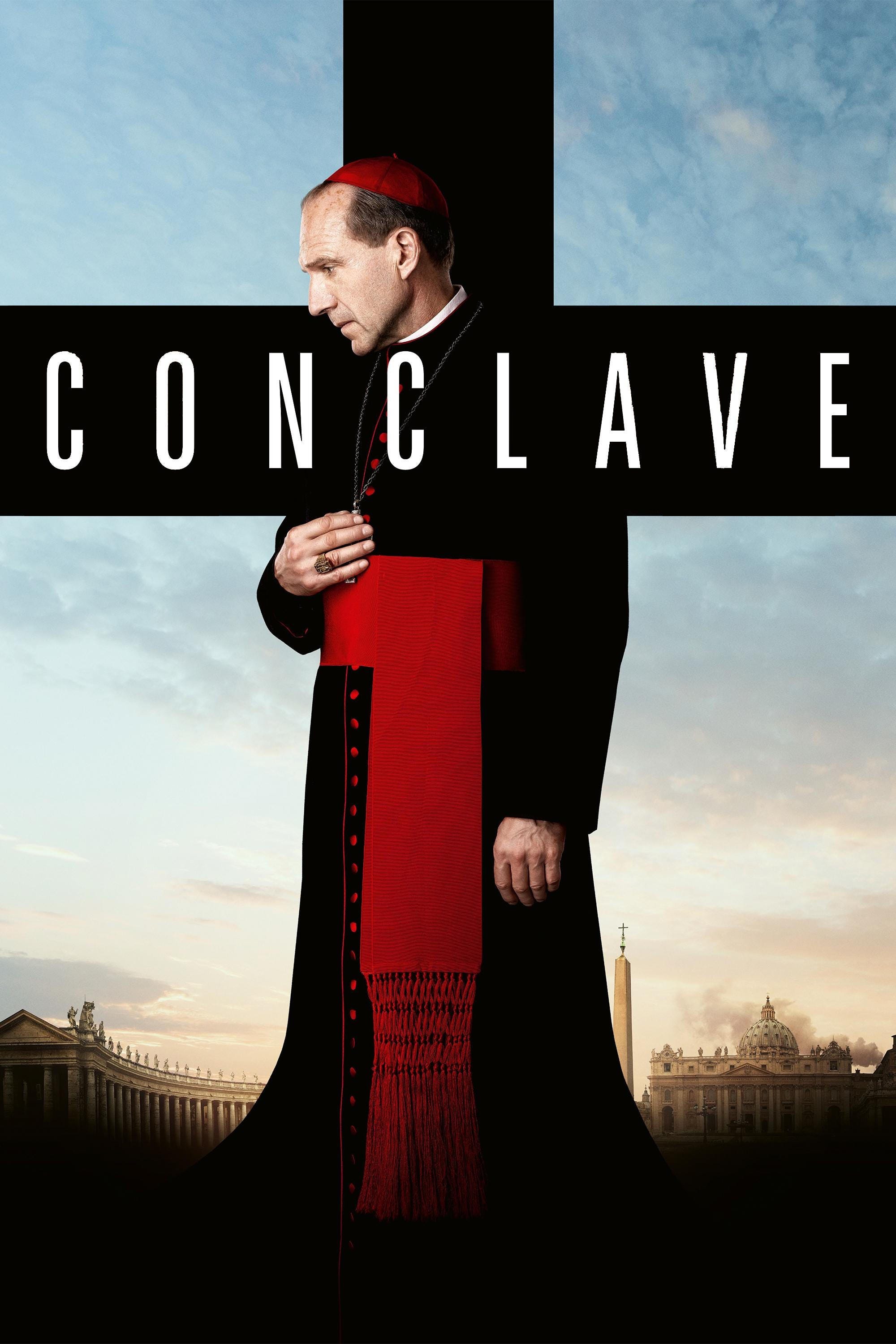
Ralph Fiennes opens this political papal thriller with a quote that articulates Conclave’s theme,
“God’s gift to the church is its variety. It is this variety, this diversity of people and views which gives our Church its strength. And there is one sin I have come to fear above all others. Certainty. Certainty is the great enemy of unity. Certainty is the deadly enemy of tolerance…Let us pray that God grants us a Pope who doubts.”
It’s a powerful idea and one that is often difficult to incorporate into teaching. Even the word 'teacher' implies a one-way transfer of knowledge—an adult delivering certainty to a student. But in an era where AI can generate instant, definitive answers, we don’t need teachers who simply know—we need teachers who know how to question. In education, doubt isn’t a weakness, it’s an opportunity. The best teachers demonstrate intellectual humility, showing students that questions often matter more than answers. Just as the Church in Conclave must choose between clinging to tradition or embracing uncertainty, educators must decide whether to stick with rigid methods or create classrooms built on inquiry, discussion, and the willingness to rethink assumptions. Give me teachers who doubt.
It Takes All Kinds
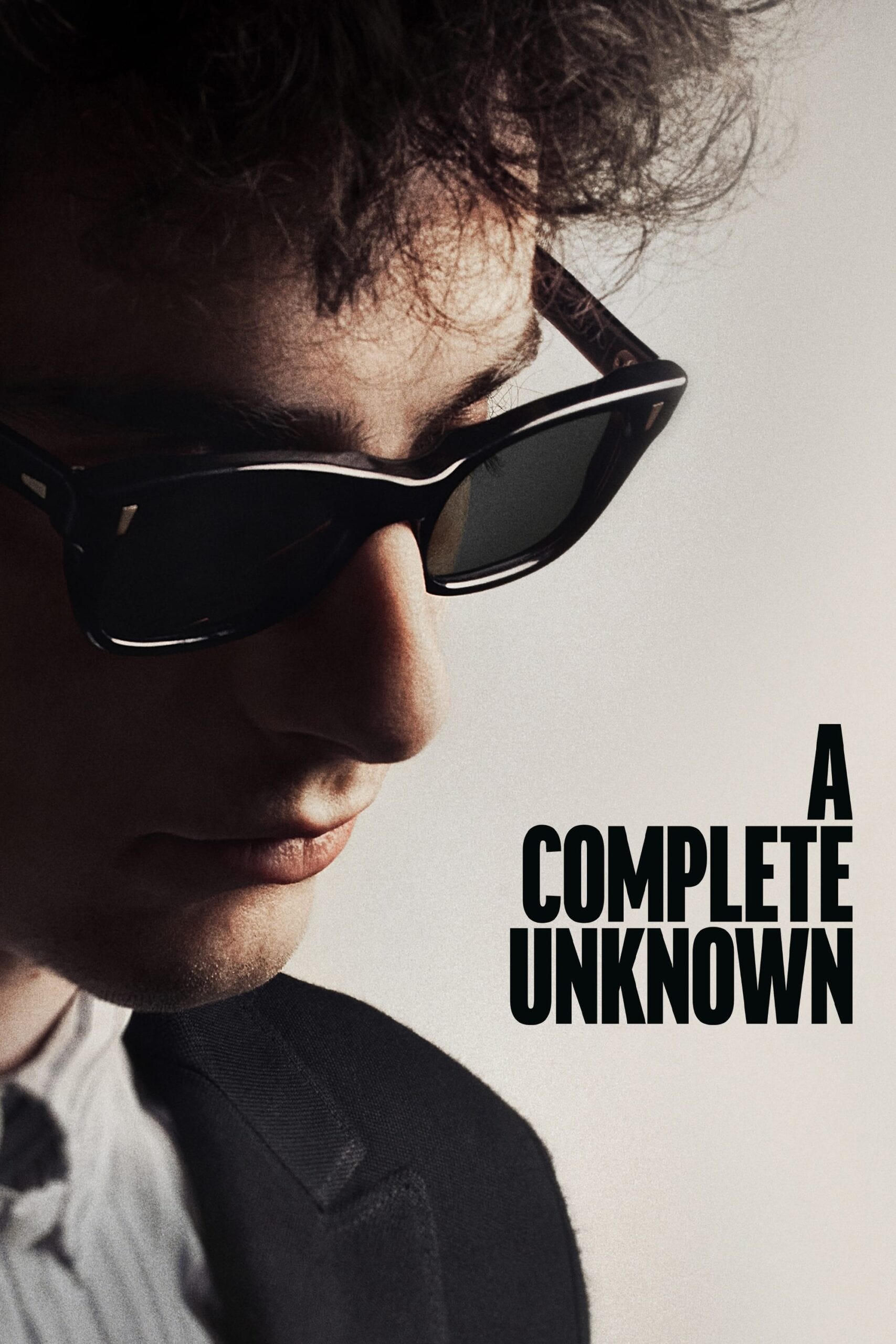
In James Mangold’s Best Picture nominee, we meet an American folk musician who’s an activist, counterculturalist, and protest singer. No, I’m not talking about Bob Dylan, it’s Pete Seeger. Before Dylan, Seeger was a controversial figure who advocated for workers' rights, protested against the Vietnam War, and supported the American Civil Rights movement. In the third act of A Complete Unkown, Seeger and the organizers of the Newport Folk Festival become increasingly upset with Dylan’s movement away from traditional folk music and towards a new, electric sound. Neither Dylan nor Seeger are willing to compromise their ideals (Seeger valuing tradition, Dylan adamant about artistic freedom) and believe the other is harmful to the movement.
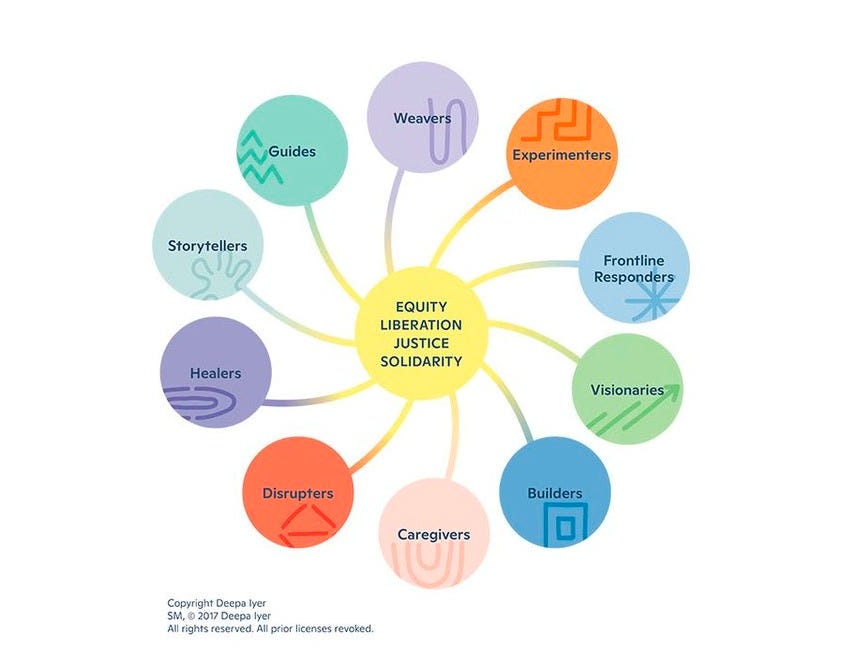
Just as Dylan and Seeger had different but essential roles in shaping folk music, schools need diverse perspectives to create lasting change. One of my favorite resources for equity work is the Social Change Ecosystem Map which is “a framework that can help individuals, networks, and organizations align with social change values, individual roles, and the broader ecosystem.” This map is a reminder that it takes all sorts of talents, roles, and experiences to work towards a common goal. We need the Seegers of equity work to remind us of the history and traditions that were the catalyst for progress, and we need the Dylans of equity work who reject the status quo and push the boundaries of what it takes to achieve true belonging in schools.
Next week I’ll write about the other 5 Best Picture nominees. But if you need something quick to watch in the meantime, the best thing I saw this year was The Turnaround, a 25-minute doc on Netflix that proves the power of sports.
My bet is Anora will take Best Picture after its DGA and PGA wins.
I love your ability to relate education to sports and movies. It helps connect more dots at a time when so many are overwhelmed by ideas.