

Let Children Vote
A case for the most disenfranchised people in America.

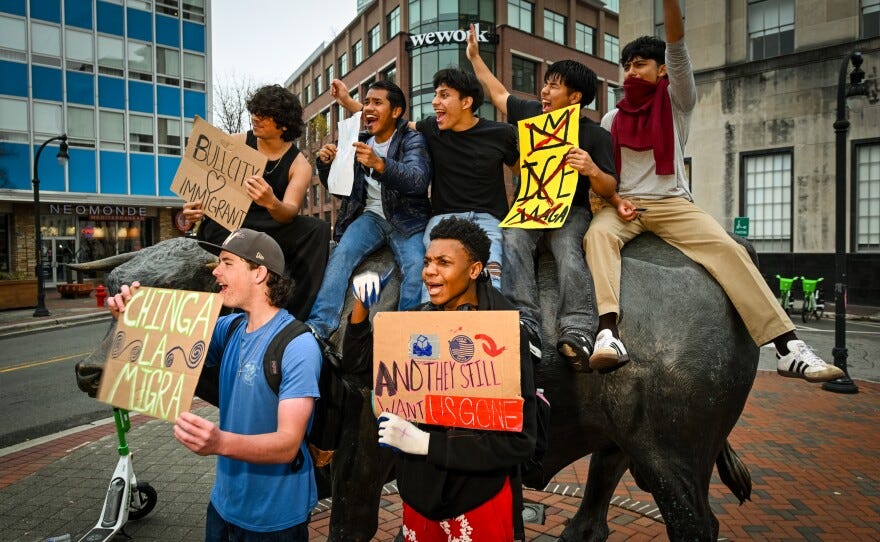
Like many cities, my community recently experienced the trauma of ICE’s presence.
In the midst of it, I was having frequent conversations with my three children about an occupation of our city that was bleeding into their everyday school experience. Each night at dinner and bedtime, I prepared myself to discuss the fear and concern they brought home. As an educator for more than a decade, I unfortunately have plenty of experience facilitating student discussions after tragic events (I’ll never forget the day after Sandy Hook), but this was the first time the danger was so close. Literally in my neighborhood.
Seething with anger and crushed by heartache, I did my best to put all that experience into practice as my children asked gut-wrenching questions like, “Will my friend get deported?” “Why are they kidnapping children?” “I haven’t seen _____ this week, is she in ICE jail?”
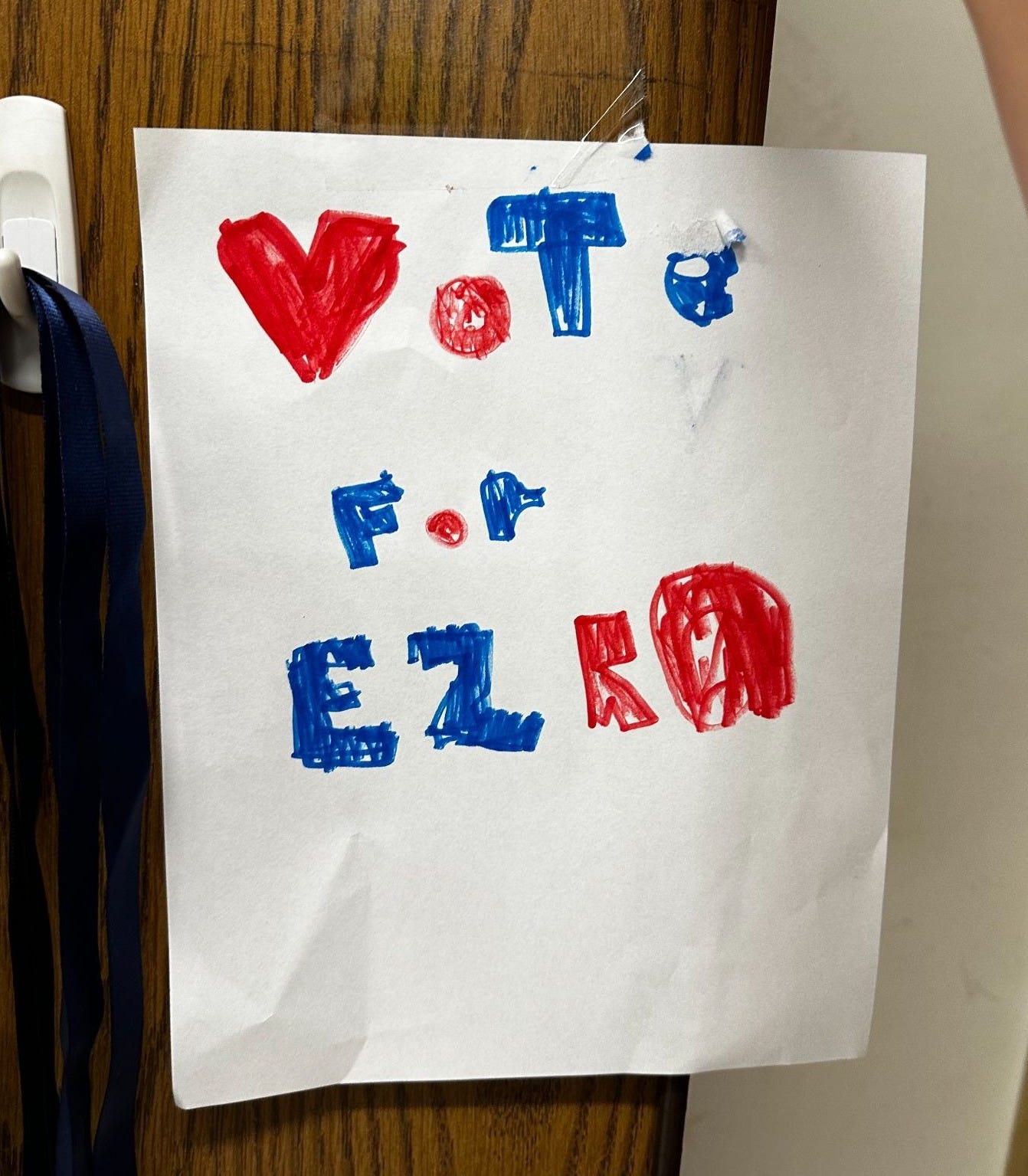
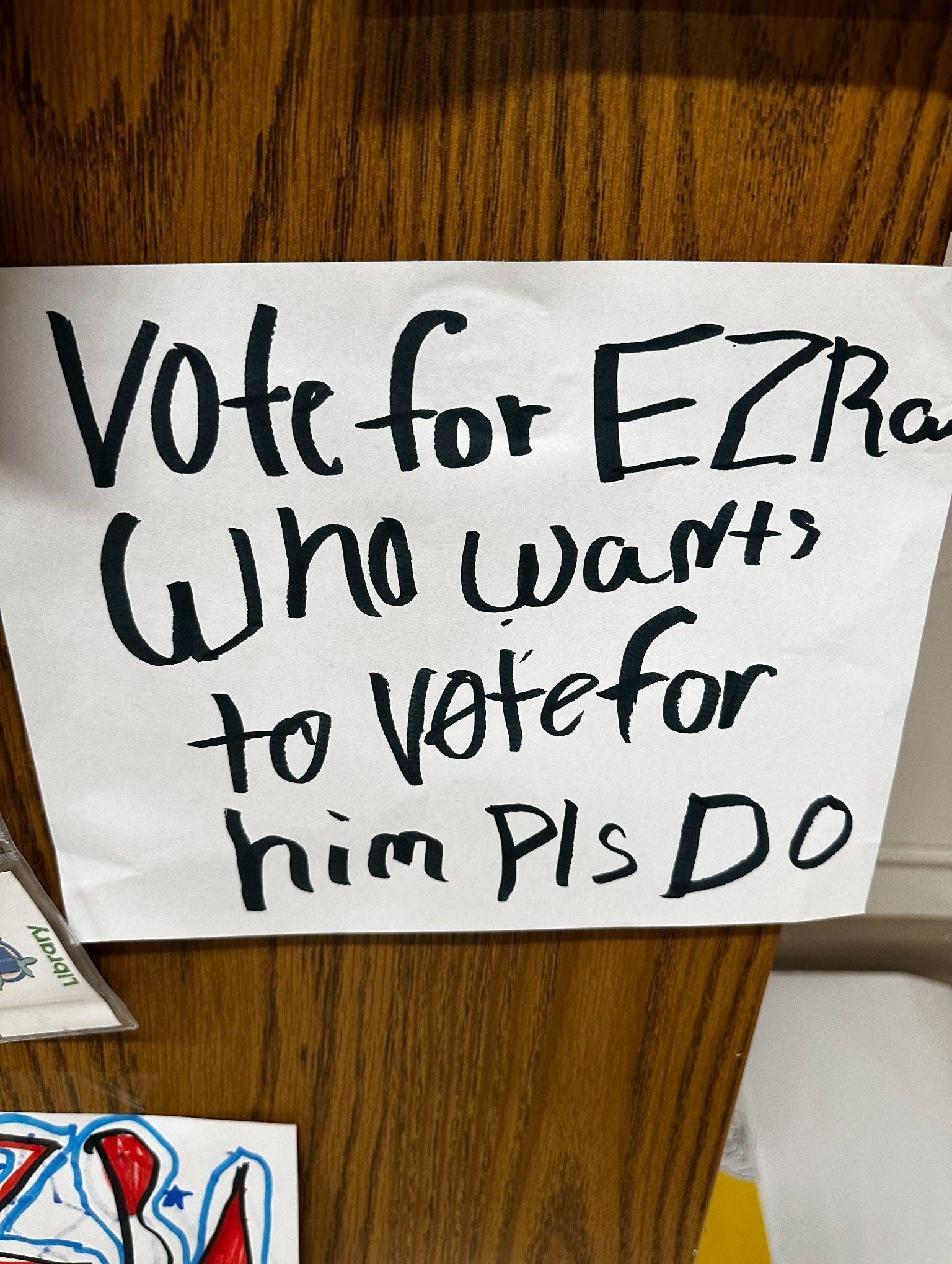
One conversation especially stands out. My 8-year-old son Ezra asked me why adults were allowing this to happen. And then he said, “I just wish we had a woman president because there’s no way a woman would do this to kids.”
Anyone who is a parent or has worked with children has certainly experienced a version of this - a child articulating a perspective that is astoundingly clear-sighted and untainted by the adult “that’s just the way it is”...ism that’s been calcified over decades. When I’ve experienced these moments with my children, it feels like a magic trick. It’s like an intellectual sleight of hand that fires new neurons and creates a shift in perspective that only that child could have initiated.
But here’s what troubles me: we experience these flashes of truth-telling from children, feel genuinely moved by them, and then go right back to treating their insight as a party trick rather than a critical perspective. Why do we dismiss moral clarity simply because it comes from a smaller body?
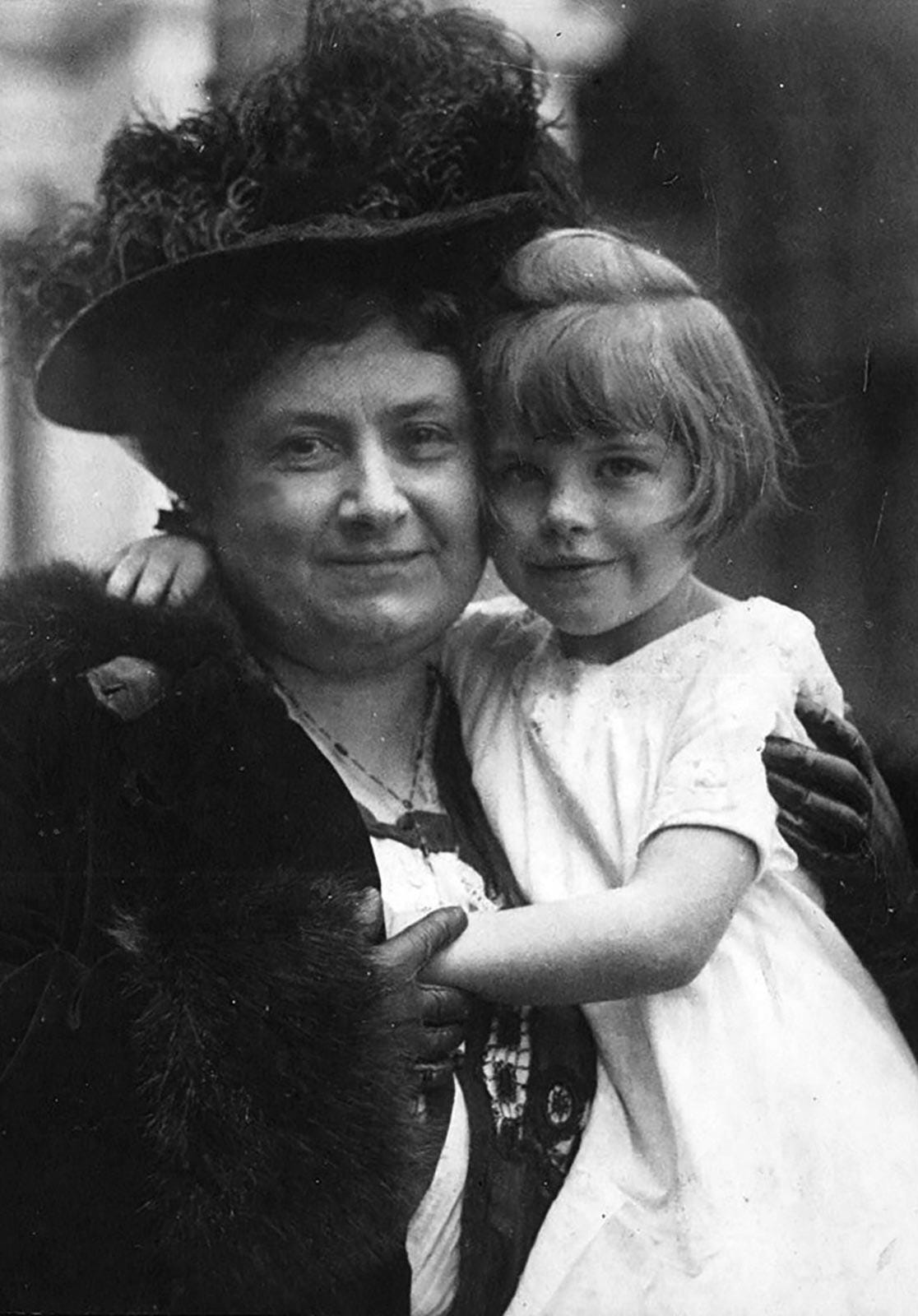
More than a century ago, Maria Montessori argued that childhood is not merely a preparation for citizenship but a distinct nation of people who are systematically governed, rarely consulted, and never granted power.
“All the works of civilization were done for and by the adult. Therefore, the child remained outside society; he was not considered to be a citizen. The laws of social justice did not consider the child. Democracy, the democracy for which we have fought yet another war, the democracy which governs most of the world, does not exist for the child.”
Dr. Montessori called for the Social Party of the Child and for the world to recognize childhood as “‘The Nation of Humanity,’ whose importance and authority should outweigh that of any other nation.” (Citizen of the World, p. 8).
What’s powerful about understanding childhood as a nation is that it highlights how our supposed democracy systematically excludes an entire people.
This is a call for children’s right to vote. And yes, I can already hear the objections. There are plenty of familiar arguments against suffrage for children and adolescents. You might say children are:
Intellectually and civically unfit to make sound political decisions.
Irrational and too emotional for political decision-making.
Culturally inferior and incapable of participating in democratic governance.
Lacking the life experience and maturity to vote responsibly.
At first glance, these may seem like reasonable concerns. But with a closer look, we can recognize these same concerns showing up throughout history. Each was used to justify disenfranchising marginalized groups.
Intellectually and civically unfit to make sound political decisions. (Black Americans until 1870)
Irrational and too emotional for political decision-making. (Women until 1920)
Culturally inferior and incapable of participating in democratic governance. (Native Americans until 1924)
Lacking the life experience and maturity to vote responsibly. (18-20 year olds until 1971)
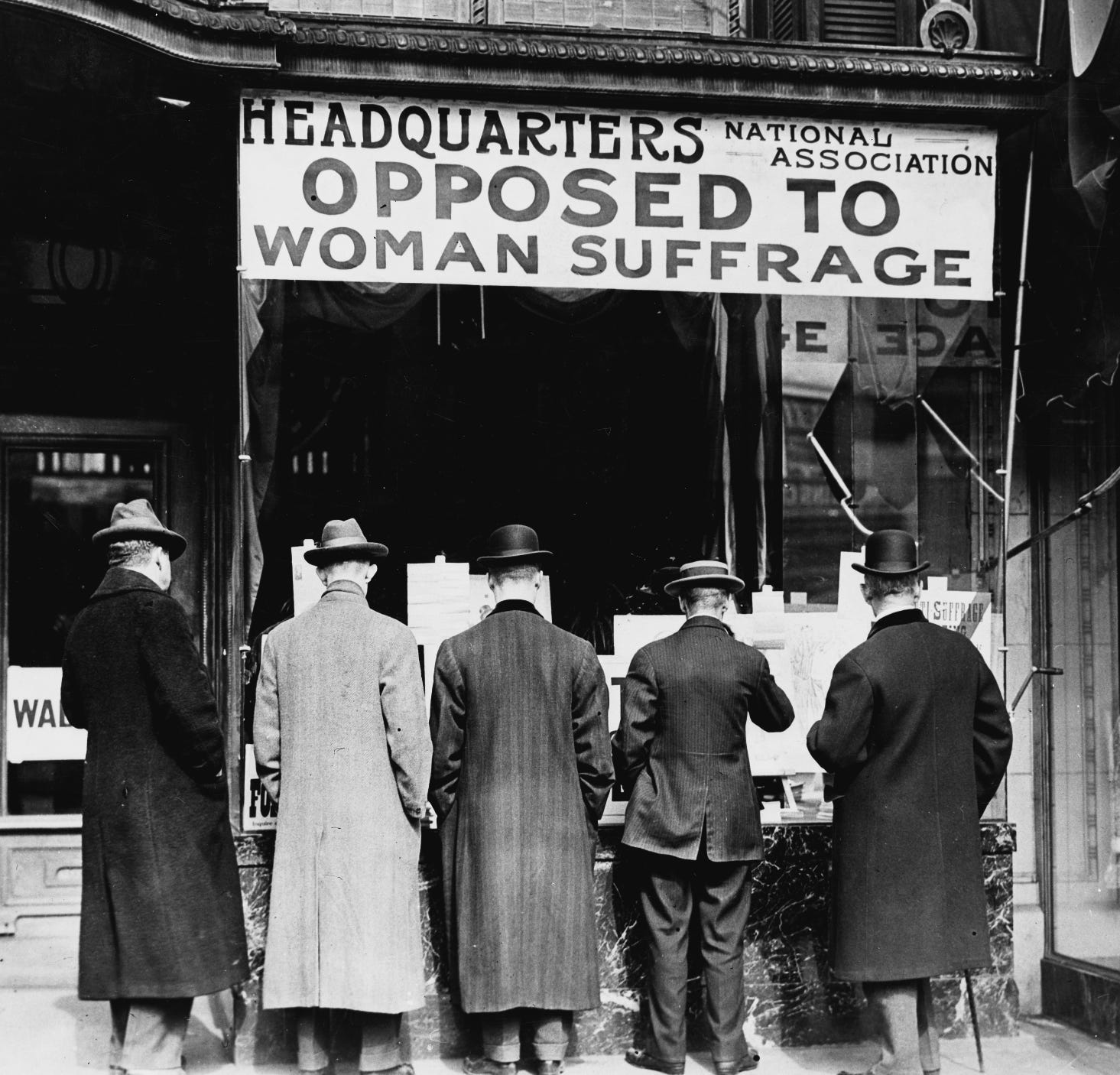
There is a well-worn pattern in our history:
A group is deemed unfit to participate in our democracy.
Fears about irresponsibility or ignorance pervade.
Expansion happens.
Democracy improves.
We are living a democratic groundhog day, but this time it’s children we’re disenfranchising.
This idea is not as radical as it may seem. There’s precedent for the U.S. to follow here.
A growing number of countries (Brazil, Austria, and Argentina) have already lowered their voting age to 16. And Britain is currently moving legislation through Parliament to do the same for all UK elections. Research from countries that made the change shows that enfranchising 16-year-olds had no distorting effect on election outcomes and that people who start voting at 16 are more likely to keep voting than those who start at 18.
In other words, other democracies are doing what ours only says it does: governing by the consent of the governed.
Politicians are beholden to their constituents' political priorities. It’s no wonder, then, that some of the most urgent social issues are also so tragically unaddressed - child poverty, prenatal/postnatal care, lack of universal early childhood education, a broken foster care system, and underfunded public schools.

As an example, in my home state of North Carolina, the Leandro case was a 1994 lawsuit arguing the state was failing its constitutional duty to provide a sound basic education. For three decades, courts repeatedly agreed with the students. Then, this past April, the Republican-majority NC Supreme Court ended the case entirely, dismissing it on procedural grounds. This decision erases every ruling since 2017 and vacates the order that would have delivered billions in school funding. Thirty-two years of litigation on behalf of children, terminated without ever addressing whether children were actually getting the education the Constitution promises them. The people most affected by that failure (children!) never had a seat at the table where those decisions were made.
In the end, I come back to that bedtime conversation with my son. As a teacher and father, I used to think it was my job to prepare children for democracy by raising them to be good citizens. But my son doesn't need preparing. He saw what was happening in our city and named it exactly. He's eight. It will be ten more years before anyone in power will be required to care what he thinks. I'm not sure the country can afford the wait.
I feel like the biggest argument against this will be "children will just vote for whomever their parents do/whomever their parents tell them to vote for." Parents using children for political sway/gain, etc.
Vance and other pronatalists already trying to birth more Conservatives, I can see this being used nefariously...
Respecting the wisdom of children. In my intentionally inclusive Montessori school with quite the range of differences in learning and behaviors, we voted on a regular basis. Almost anything that came up became a conversation, children (3-7) sharing their thoughts, their feelings, and their ways of solving what ever we were talking about. Their wisdom was in play on an almost daily basis- and they were learning in a very real way to listen to one another, to consider other ideas than their own, and with respect for how ever the "majority" made the decision- understanding that don't each get our own way all the time- there will be times when we are in the majority and then in the minority but with the respect for one another's opinions and commitment to living in a community (of the classroom) that was a place of caring, belonging, with benefits for each one of them. Yes, the wisdom of children. Thank you for your post, Justin. (and I'd vote for Ezra!)