

Take It Back Now Y'all
What the Cha Cha Slide Can Teach Teams About Culture

Classroom organized.
Shelves cleaned.
CPR Training.
Staff meetings.
Materials prepped.
Lesson plans completed.
Sweating yet? The start of the school year is a sprint. Every task feels urgent, and the list never ends. The bad news: you’ll never finish it all.
In 15 years of work in schools, I’ve never once heard a teacher (even the most seasoned) say during work week, “I’ve run out of things to do to prepare for my students. I’ve just had too much uninterrupted time for prep in my classroom.”
The struggle is real. There is so much that is critical to a successful year in a classroom and school, and yet our time is always limited.
The good news: There is one thing you can do right now that will make everything else go more smoothly. There’s something that will keep your team aligned when the proverbial $&!% hits the proverbial fan during the school year.
Line Dances and Teamwork
In my last adolescent program, we taught students line dances like The Cha Cha Slide, Cupid Shuffle, and The Wobble to spark joy and build anticipation for our annual Middle School Dance. These traditions were fun, inclusive, and familiar. Not to mention gloriously awkward and hilarious.

The beauty of these dances is the framework: shared steps that give enough structure for individuality to shine. In Montessori terms, it’s “Freedom within Limits.” In other words, clear expectations that allow creativity and personality to emerge. No one has to guess what to do next. We all know when it’s time to “sliiiide to the left.”
Strong teaching teams benefit from the same approach. When you start with shared steps (goals, agreements, and values), you can move together with confidence while still honoring each person’s unique strengths.
Start with Team Culture
Adolescent Montessori guides are trained to prioritize a spiral curriculum that highlights the relationship between academic areas so students are exposed to the interdependence of knowledge. This requires that adolescent teachers avoid being isolated in classroom silos. There must be time for co-planning and collaboration in order to make connections across disciplines.
Therefore, it’s essential that teachers in secondary programs prioritize early discussion, agreements, and a “set of rules” to follow as a collaborative team. Maria Montessori wrote:
“If the different individuals have to live harmoniously in one society, with a common aim there must be a set of rules which we call morality…Morality, which is usually considered as an abstraction, we wish to consider as a technique which allows us to live together harmoniously.” -Citizen of the World, p. 26
Think of these rules as your team’s line dance choreography. This is the shared dance you can all stick to.
Building a Culture Book
I credit my friend and former colleague, Tom Brown (go subscribe to his substack asap!), for reminding me to start with the wise words of DJ Casper and “Take it back now y’all.” When we worked years ago to revamp a Montessori middle school program, he encouraged us to take it back to the basics and do this important foundational work before addressing the day-to-day responsibilities of our team.
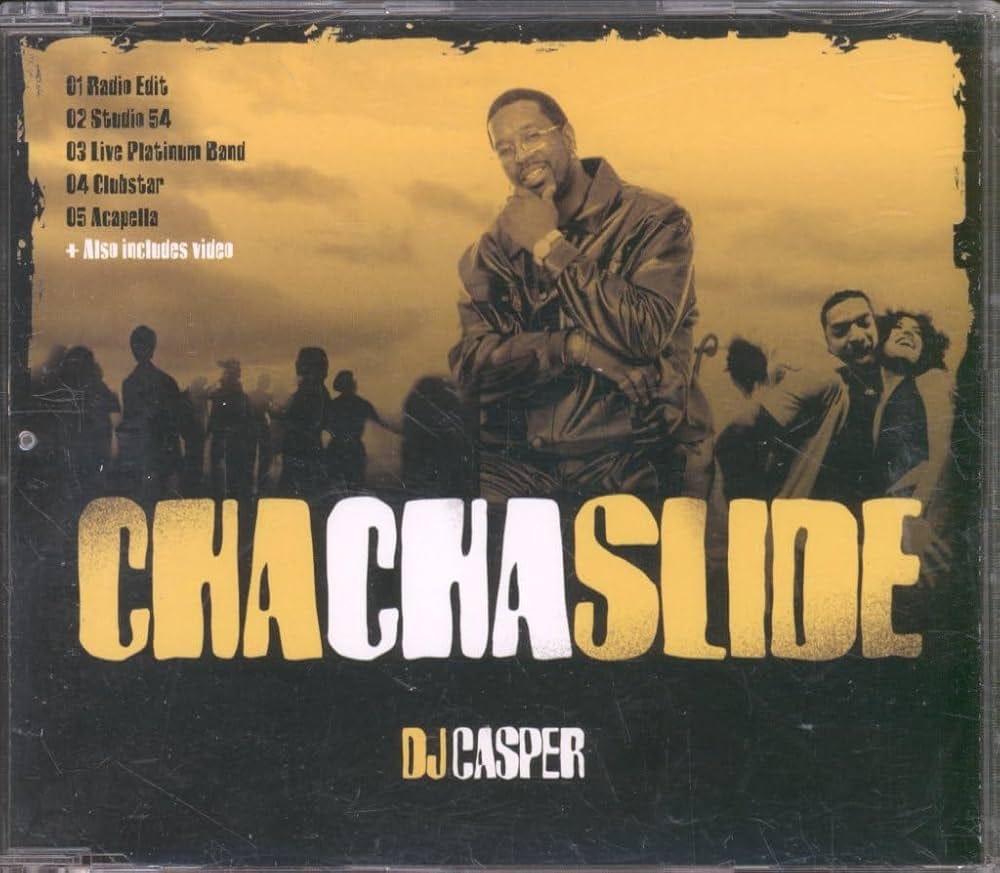
In Montessori classrooms, we begin the year by co-creating agreements with students to guide our work together. It’s part of our grace and courtesy lessons to establish shared expectations that give freedom within limits. The same practice is just as valuable for our teaching teams.
A culture book is simply a living document that outlines the shared purpose, values, and agreements for your team. It’s your collective choreography. It’s the steps everyone knows so you can adapt as a unit when the “tempo” of the school year changes.
4 Essential Questions
You can create a Culture Book by answering these essential questions:
1. What’s Our Goal?
Begin with a Central Question that names your shared purpose. This is the “why” that aligns your work. At my last school, our middle school goal was: “To cultivate a healthy community where all adolescents learn about themselves and the world in order to achieve a peaceful and just restructuring of society.” This goal is lofty but inspiring. And it kept us moving in the same direction.
2. What Are Our Core Values?
Identify the values that will guide daily decisions. Ours were:
Cultivate a climate of wonder, joy, curiosity, and purpose.
Approach work with humility and kindness.
Be adaptable and responsive to change.
Follow ALL children.
3. How Will We Work?
Translate your values into concrete agreements for collaboration. Our included:
Be curious, not judgmental.
Ask questions and hold space for differences.
Step up, step back.
Participate, pause, listen, and don’t interrupt.
Stick to protocol and hear all voices.
Adhere to meeting protocols and make space for all viewpoints.
4. How Will We Measure Your Success?
Decide how you’ll revisit and refine your culture. We used:
Anonymous surveys
Reflective team discussions
Periodic recommitments
We also shared our culture book with new hires so they entered into a clear, intentional environment.
Dancing Together
Lesson plans, rubrics, study guides, organized classrooms. These are all important. But when challenges inevitably arise in the school year, having a foundation of purpose, values, and agreements will keep your team aligned.
Creating a culture book is like a line dance: everyone is in sync while bringing their own flair and creativity. Now’s the perfect time. “Freeeeeze! Everybody clap your hands.”...and get to work on your team’s culture book.